



This guide explores the essential aspects of starting your own lipstick line, focusing on types, shades, and effective strategies for market entry.
Thincen Launching a Private Label Lipstick Business: A Comprehensive Guide
×
Selection of high-quality materials, first-class manufacturing technology, and exquisite processing technology are carefully crafted, with excellent workmanship, beautiful appearance, high quality, high quality and durability.
Understanding the Lipstick Market
Lipstick is not merely a cosmetic product; it is a cultural icon that has evolved over centuries. With diverse colors, formulations, and textures, lipstick appeals to a wide array of consumers. As the beauty industry continues to grow, establishing a private label lipstick brand can be a lucrative venture. This guide explores the essential aspects of starting your own lipstick line, focusing on types, shades, and effective strategies for market entry.
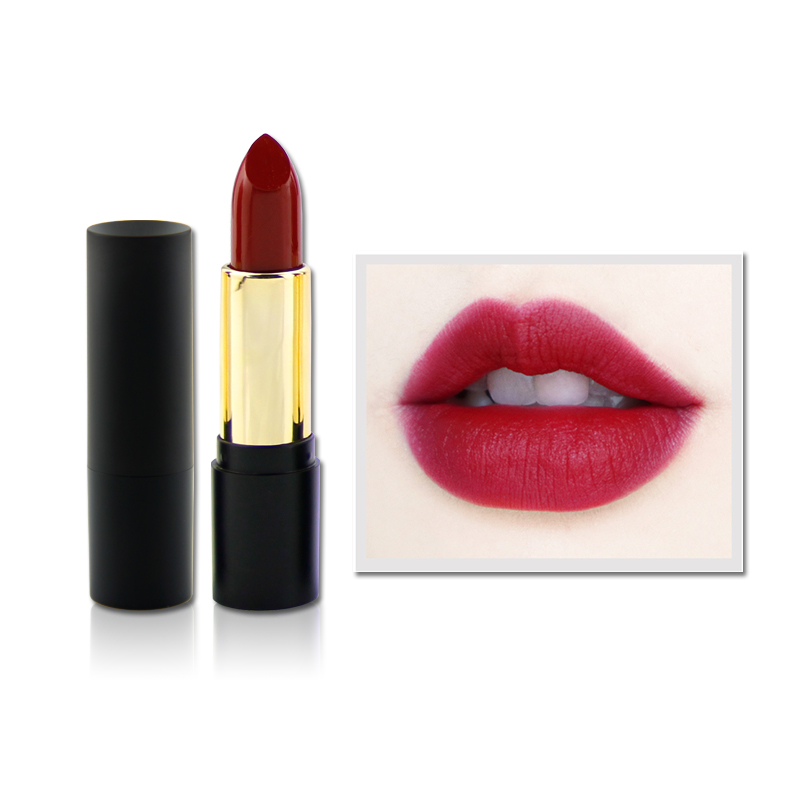
Types of Lipstick: Choosing the Right Formula
Understanding the different types of lipsticks available is crucial for making informed decisions about your product line. Here, we delve into the primary types of lipstick that consumers are drawn to.
1. Matte Lipstick
Matte lipstick is renowned for its high pigment content and lack of sheen, offering a sophisticated, understated look. It is known for its longevity but may cause dryness. It’s ideal for photoshoots and dramatic makeup applications rather than everyday wear.
2. Satin Lipstick
Satin lipstick blends high oil content with a sheer finish, creating a vibrant, three-dimensional effect. It provides hydration and is suitable for special occasions, often paired with lip gloss for enhanced glossiness.
3. Lip Gloss
Lip gloss sits between matte and satin finishes, providing a jelly-like texture with a crystal-clear appearance. It can enhance the look of matte lipsticks while offering additional protection and moisture, making it ideal for a natural look.
4. Long-Lasting Lipstick
This type is formulated with silicone oil to prevent flaking and enhance color retention. It typically consists of two components: a base color and a satin finish, allowing for touch-ups throughout the day.
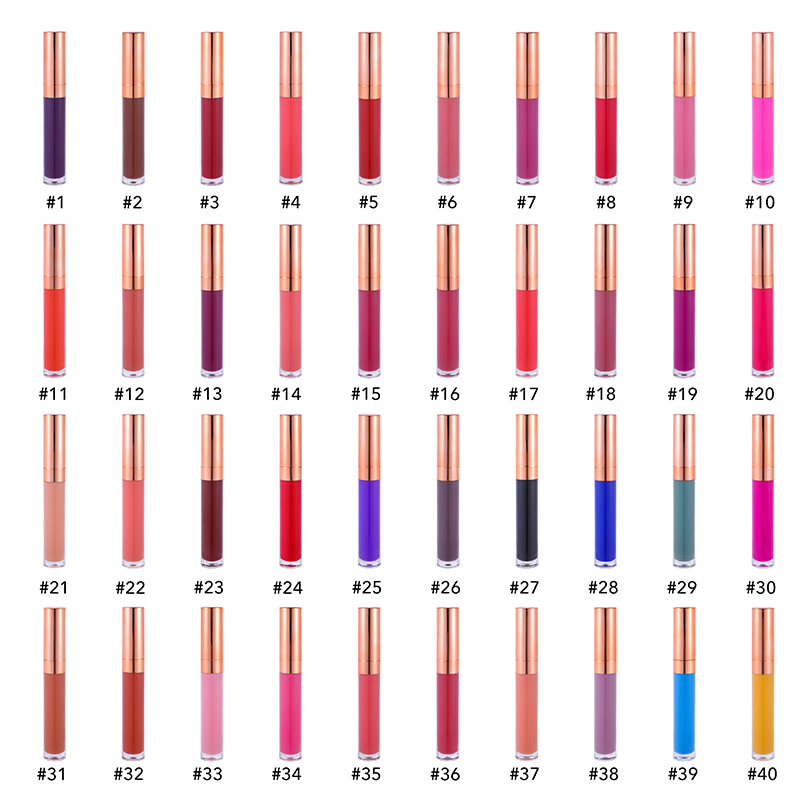
Color Selection: Matching Shades with Skin Tones
Choosing the right shades is critical to appealing to your target market. Here’s a breakdown of how to select shades based on skin tones:
For Dark Yellow Skin
Opt for warm colors such as maroon, plum, and orange-pink. Light shades may clash with this skin tone, leading to a less flattering appearance.
For Fair Skin
Cool-toned shades like rose, peach, and cherry blossom pink work wonders for fair complexions, lending a youthful glow.
For Normal Skin
Neutral skin tones are versatile; coral-pink lipsticks provide a subtle yet vibrant look, perfect for everyday wear.
For Dark Skin
Bright colors such as passionate red and vibrant orange can enhance the beauty of dark skin tones, while deeper shades like grape violet add sophistication.
Seasonal Trends in Lipstick Colors
Seasonal trends greatly influence consumer preferences. Tailoring your lipstick line to these trends can boost sales:
Spring: Embrace soft hues like coral and rose red.
Summer: Opt for bright shades such as coral and orange pink.
Autumn: Focus on deep colors like burgundy and maple red.
Winter: Choose warmer tones like brown-red and earthy shades.
Key Considerations for Starting Your Private Label Lipstick Brand
Financial Resources
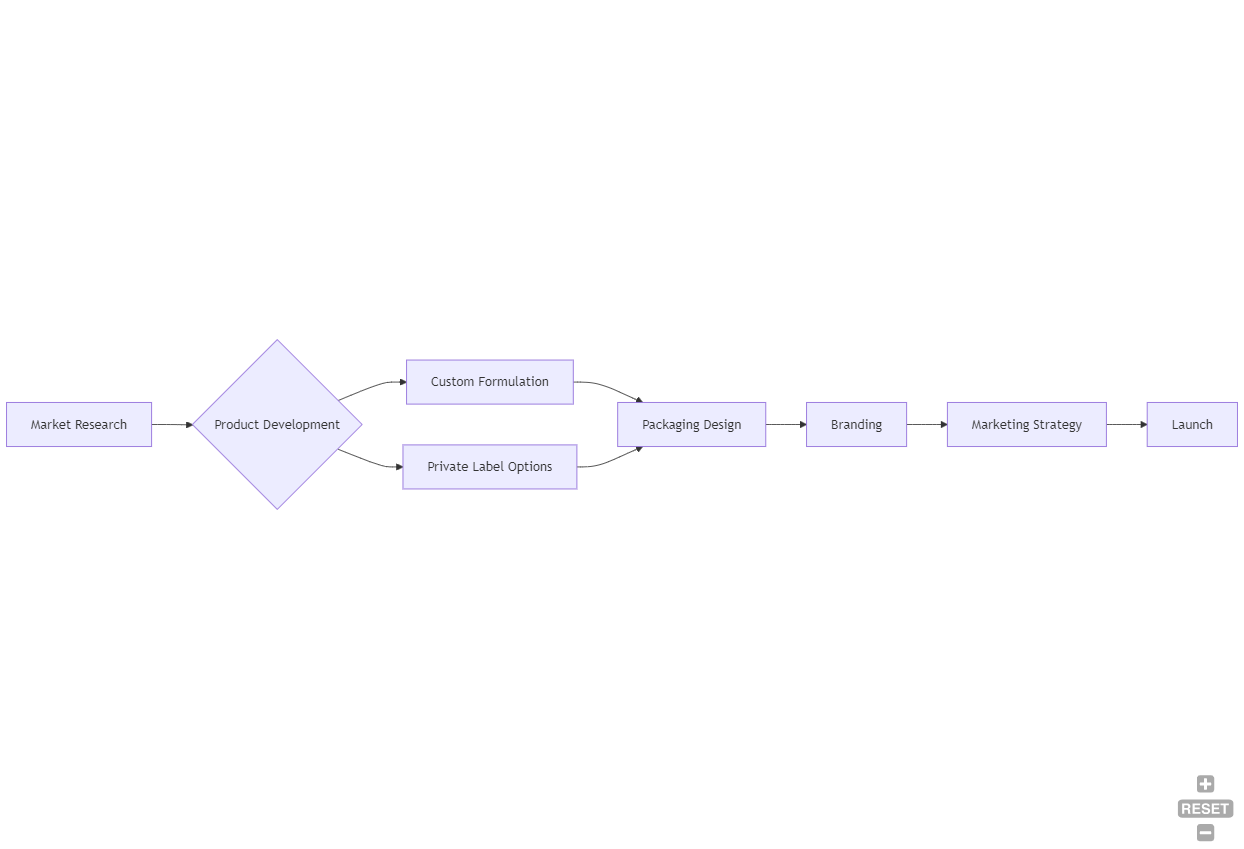
Before diving into the production process, assess your financial capabilities. Developing a unique formula with a manufacturer can be costly and time-consuming, whereas opting for a private label can streamline the process.
Choosing Between Custom and Private Label
When deciding whether to create a bespoke formula or utilize existing private label options, consider the advantages and disadvantages:
Custom Formulation: Allows for unique branding but requires more investment and time.
Private Label: Offers established formulas and quicker market entry, allowing you to focus on branding and marketing.
Collaborating with Manufacturers
Partnering with a reliable manufacturer is essential. Look for companies that provide both ODM and OEM services. This flexibility can help you create products that meet your specifications in terms of texture, color, and longevity.
Customizing Your Product Line
Packaging and Branding
Effective branding is vital in the beauty industry. Invest in appealing packaging that reflects your brand's identity. Custom packaging attracts consumers and enhances the perceived value of your products.
Marketing Strategies
To successfully launch your lipstick brand, consider employing a multi-faceted marketing strategy:
Social Media Engagement: Leverage platforms like Instagram and TikTok to showcase your products.
Influencer Collaborations: Partner with beauty influencers to expand your reach and credibility.
Promotional Events: Host events or giveaways to create buzz around your launch.
Conclusion
Starting a private label lipstick business presents numerous opportunities in a vibrant and growing market. By understanding the types of lipsticks, selecting suitable shades for diverse skin tones, and adopting effective marketing strategies, you can establish a successful brand that resonates with consumers.
FAQ
1. If I have broken items in my products. What should I do?
Send us a picture of the first time when you got the package. We will replace it for you on next order.
2. What is your confidentiality policy?
We are relatively open to brands and customers signing NDAs with us. When it comes to product development, we never share products with our customers. We do not do wholesale. Therefore, we do not resell other customers' final products or re-label our customers' formulations.
3. Is it possible to provide my ingredients?
Yes. We have a highly educated team of experts in cosmetic chemistry. Customer can give us their ingredient, ideas, nominated source, or ingredient theme. We have close relationships with world renowned raw material suppliers. Therefore, we can achieve the formulation you want. If you have your own patented formulation and just need a partner to help do the finished products, we have worked with many brands with this request and understand the process to accommodate the needs.
Advantages
1. Quality Assurance: We have a strict quality control team, and it will be 100% checked before shipping out.
2. Private Label: We are very professional on private labels, low MOQ 50pcs to start, and 3-5 workdays can be ready.
3. Fast T/A and shipping via express (DHL, UPS, FedEx, TNT, EMS) door-to-door.
4. More than 7 years of experience dedicated to the development and export of the makeup industry.
About Thincen
We, Shenzhen Thincen Technology, were established in 2012 with a factory area of 1,000 square meters. We are one of the professional cosmetic manufacturers and exporters with an annual sales of 100 million. We have experience in producing and exporting a full range of cosmetic products, such as eye shadow, Blush, Concealer, Lip Gloss, Concealer, Highlighter, Brow, Eyeliner, etc.
- Complete testing equipment and strong technical force. The product range is complete, the quality is high, the price is reasonable, and the design is fashionable, which is well received by foreign customers.
We can provide you with full service from formulation development, creation to packaging options, selection to final product design,
We have 10 development chemical engineers, as well as knowledgeable product managers,
More than 10 years of packaging designers, and a professional sales team, all of us will help you develop new products and get more growth.
Sincerely welcome to contact us for future business relationships and mutual success!
ReviewsNumber of comments: {{ page.total }}
I want to comment?
{{item.nickname ? (item.nickname.slice(0, 2) + '*****') : item.source === 1 ? 'mall buyer' : '--'}}
{{item.comment_time}}
Review in the {{item.country}}
Reviews
Merchant
{{replyItem.nickname ? (replyItem.nickname.slice(0, 2) + '*****') : replyItem.source === 1 ? 'mall buyer' : '--'}}
{{replyItem.parent_nickname ? (replyItem.parent_nickname.slice(0, 2) + '*****') : '--'}}
{{replyItem.is_merchant_reply === 1 ? replyItem.reply_time : replyItem.comment_time}}
Review in the {{replyItem.country}}
Reviews

No customer reviews
Recommended for you
Get in touch with us
Shenzhen Thincen wholesale cosmetics suppliers specialized in Makeup Beauty Industry for many years from cosmetics research, development, manufacture, production, and OEM/ODM/OBM brand processing.
Quick links
Products
Better touch better business
Contact: Maggie Jiang
Contact number: +86 13828856271
Email: Maggie@thincen.com
WhatsApp:+86 13828856271
Address: Room 602, 6th Floor, Building 2, Guanghui Science And Technology Park, Minqing Road, Fukang Community, Longhua Street, Longhua District, Shenzhen, Longhua, China
Copyright © 2026 Shenzhen Thincen Technology Co., Ltd. - www.thincen.com |Sitemap